 info@hitchescouplers.com
 Hitches & Couplers,
22895 County Line Rd. Shell Knob, MO 65747
 620-432-6079
 cart


5 Fifth Wheel Rail Kit Mistakes That Cost You Time
Installing fifth wheel rails should be a predictable job, yet small setup mistakes can turn a half-day project into a full rework. Most delays are not caused by difficult hardware. They start with fitment errors, bad rail placement, skipped clearance checks, or missed torque instructions.
TL;DR: Summary
- The biggest fifth wheel rail kit mistakes are choosing the wrong fitment, treating rail kits as universal, skipping clearance measurements, and tightening hardware without the specified torque and frame-mount instructions.
- Official install guidance from CURT ties successful fifth wheel rail installation to proper frame attachment, including connecting each end of each base rail to the vehicle frame and avoiding installation over plastic bed liners.
- Custom fifth wheel rail kits usually save time because they use truck-specific brackets and often existing frame holes; industry guidance puts custom installs at about 2 to 5 hours versus 4 to 7 hours for many universal installs.
- Hitch position matters as much as hardware. Bed length, axle location, and cab clearance affect safety, turning clearance, and whether you may need a slider hitch.
- Fifth wheel rails are not universally compatible across all trucks and hitches. Many hitches fit industry-standard rail spacing, but truck brackets, hitch feet, and rail-free frame-mount systems all require separate compatibility checks.
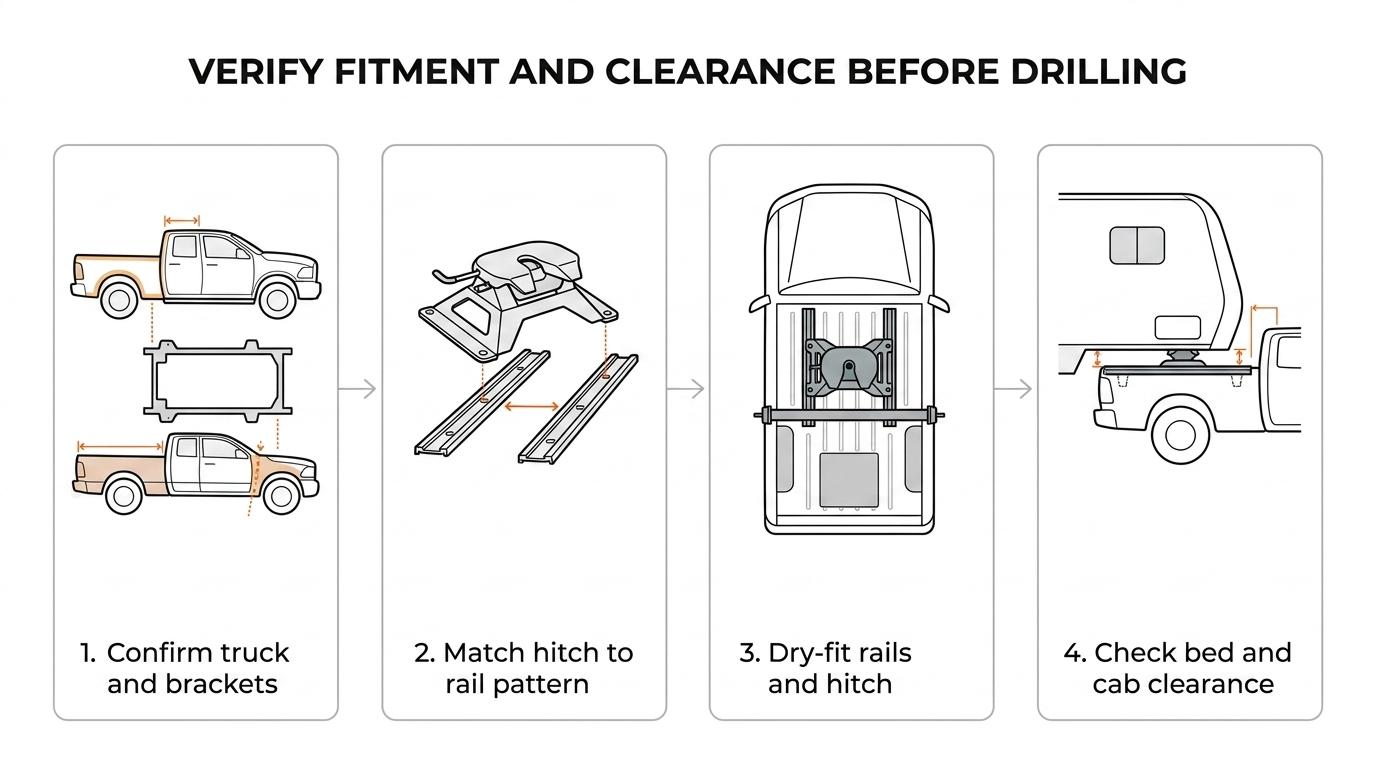
A faster install starts before you touch the drill. If you confirm the truck, hitch, rail pattern, frame brackets, and clearance first, you avoid the mistakes that cost the most time: drilling twice, buying twice, and towing with doubt.
Why do fifth wheel rail kit mistakes waste so much time?
Yes. CURT instructions and etrailer install guidance show that fifth wheel rail delays usually come from preventable setup errors, not hard labor. If the rail kit is wrong for the truck or hitch, the install often stops before the first bolt is torqued.
The time loss usually comes in layers. First, the rails may not match the truck frame brackets. Next, the hitch feet may not match the base rail pattern. Then clearance problems appear after the rails are already clamped in place. Each mistake forces re-measurement, re-drilling, or replacement hardware.
A common misconception is that the hard part is drilling the bed. In practice, the hard part is getting the geometry right: truck frame, axle position, rail spacing, and trailer clearance all have to agree before the holes are final. That is why official manuals put so much weight on fitment and installation sequence.
"Hitches & Couplers, Inc. ships across the lower 48 states with free shipping and also ships to Canada."
How do you confirm fifth wheel rail fitment before you order?
You confirm fitment by matching three things: the truck, the brackets, and the hitch footprint. CURT and industry-standard rail systems make this clear. Rail kits are often truck-specific even when the hitch head is not.
Step 1: Confirm the truck exactly. That means model year, make, cab style, bed length, and whether the truck has a factory tow prep or OEM puck system. A 2500 short bed and a 3500 long bed may look close, yet use different bracket geometry or rail locations.
Step 2: Confirm the hitch mounting pattern. Many fifth wheel hitches fit industry-standard above-bed rails, but not all do. Some hitches are proprietary. Some rail-free frame-mount systems also require the hitch feet to match universal rail measurements. If the hitch footprint does not match, the install stalls even if the truck brackets are correct.
Step 3: Read the install sheet before buying. This saves more time than any tool upgrade. Official instructions often flag truck-specific hole locations, frame obstructions, exhaust routing, brake line clearances, and plastic bed liner restrictions. That last point matters because CURT specifically says not to install base rails over plastic bed liners.
What are the 5 fifth wheel rail kit mistakes that cost you time?
The five biggest mistakes are fitment, layout, clearance, frame attachment, and torque. CURT, B&W, and etrailer guidance all point to the same pattern: if one of those five is wrong, install time grows fast.
- Assuming “universal” means universal fit: Universal rail kits still need the right frame brackets and correct truck application.
- Installing over a plastic bed liner: Official instructions warn against placing base rails over plastic bed liners because the rail cannot seat and clamp properly.
- Skipping hitch-position measurements: Rail location affects axle load, cab clearance, and turning clearance.
- Failing to verify frame attachment points first: CURT states each end of each base rail must be connected to the vehicle frame.
- Tightening by feel instead of spec: Hitch and rail hardware need the correct torque values, and those values vary by component.
If you catch these issues before drilling, the install usually stays on schedule. If you catch them after drilling, the job often turns into patching, re-layout, and a second parts order.
How do custom fifth wheel rail kits compare with universal rail kits?
Custom rail kits are usually faster, while universal kits are usually cheaper up front. Etrailer places many custom installs around 2 to 5 hours and many universal installs around 4 to 7 hours.
A custom kit uses truck-specific brackets that often mount to existing frame holes. That cuts drilling, measuring, and trial fitting. Industry guidance also notes that custom rail kits can reduce installation time by up to 50% in some applications. A universal kit can still work well, but it asks more from the installer.
- Custom rail kits: Faster fit-up, truck-specific brackets, fewer surprises under the bed
- Universal rail kits: Lower initial cost, more measuring, more drilling, more opportunity for layout error
- Best choice: If time and first-pass accuracy matter most, custom usually wins
The trade-off is simple. If your truck is a common pickup with good aftermarket support, a custom kit often costs less in total time. If your setup is unusual or budget-driven, a universal kit may still make sense, but only if you are comfortable with extra layout work.
"Hitches & Couplers, Inc. offers same-business-day shipping before noon CST on current-model towing products."
How should you position fifth wheel base rails in the truck bed?
Proper rail position starts with the hitch centerline and the rear axle. Reese and Draw-Tite guidance often uses 52 inches from the cab to the hitch center for an 8-foot-wide fifth wheel trailer, but the final position must match the hitch and truck instructions.
Step 1: Start with the manufacturer’s bed measurement for your hitch and rail kit. The goal is to keep the hitch location slightly forward of the rear axle in most standard installs. That helps stability and weight transfer.
Step 2: Use known benchmarks carefully. The 52-inch cab-to-center measurement is a helpful reference point for many long-bed applications, not a universal rule. A short bed, a different trailer front cap, or a different hitch design can change the number.
Step 3: Dry-fit the hitch in the rails before final drilling and torque. This is the easiest way to catch fore-aft spacing errors. Many owners assume the rails only need to look square in the bed. They also need to be correct relative to the frame and the hitch feet.
What clearance checks prevent cab and bed-rail interference?
Clearance checks are mandatory, especially with short-bed trucks and wide-front fifth wheels. NHTSA loading guidance and hitch maker instructions both point to the same issue: poor geometry hurts handling and wastes install time.
Step 1: Check bed-rail clearance between the trailer overhang and the truck bed sides. Too little clearance can cause contact on uneven ground. Too much can create an unnecessarily high trailer attitude.
Step 2: Check cab-to-trailer clearance at full turn. Short beds are the biggest watch item here. If the trailer nose comes close to the cab, a slider hitch or different hitch position may be needed.
Step 3: Check loaded stance, not just unloaded stance. NHTSA guidance treats hitch weight as a key loading factor and warns that poor load concentration affects handling. If the truck squats under pin weight, your unloaded clearance numbers may become meaningless after hookup.
A good rule is simple: if the truck, hitch, and trailer only clear in the driveway, they do not really clear.
How do torque values and frame attachment affect safety and install time?
They matter more than many owners think. CURT requires each end of each base rail to be connected to the vehicle frame, and B&W lists specific torque values like 40 ft-lb for a draw-down bolt on certain Companion components.
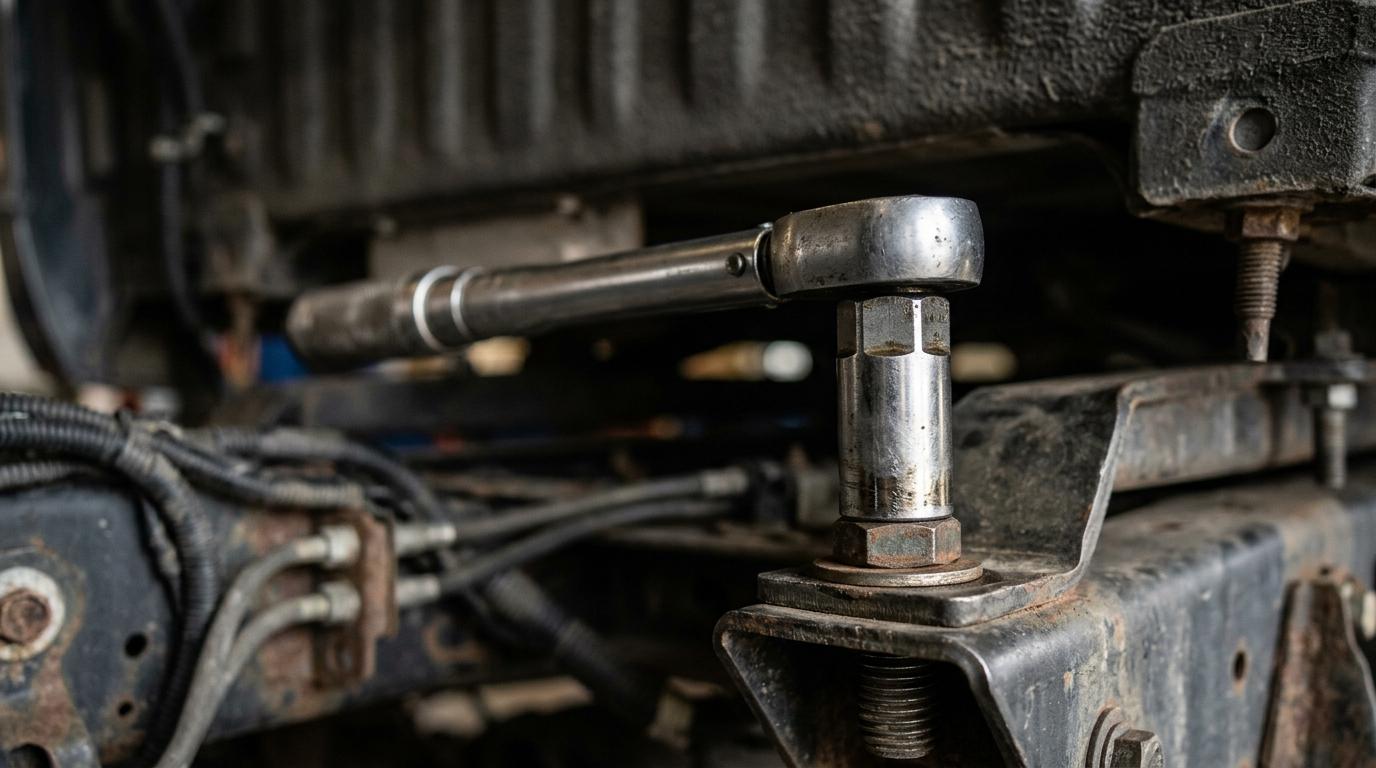
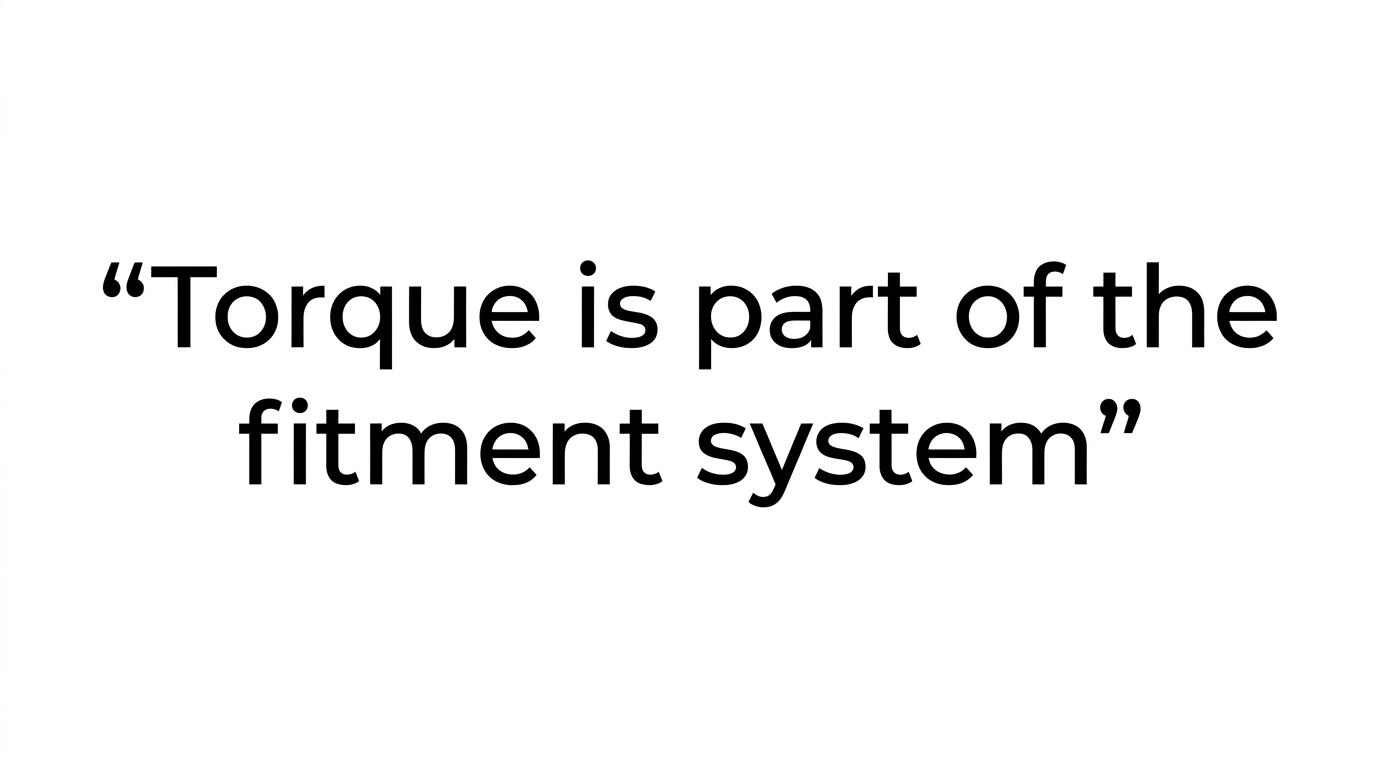
Torque is not a finishing touch. It is part of the fitment system. Under-torqued hardware can shift, loosen, or rattle, which sends you back under the truck for troubleshooting. Over-torqued hardware can distort brackets, crush spacers, or damage fasteners.
Use the exact values from the rail kit and hitch instructions, not a number from a different brand. A 40 ft-lb spec on one B&W component does not mean every rail or bracket fastener gets 40 ft-lb. The pro move is to stage hardware by location, torque in sequence, and recheck after the first tow interval listed by the manufacturer.
Are fifth wheel rails universal across hitches and trucks?
No. Industry-standard base rail spacing is common, but full compatibility is not universal. Truck brackets, hitch feet, and OEM prep systems all change the answer.
This is where many buyers lose time. They hear “standard rails” and assume any hitch, any rail kit, and any truck will work together. That is only partly true. Many hitches are designed for the common above-bed rail pattern, yet the frame brackets that support those rails are still truck-specific.
Rail-free systems add another layer. Some frame-mount system options accept hitches only when the mounting feet match universal rail measurements. Company guidance in this category makes the point clearly: not all fifth wheel hitches are compatible, even when the concept sounds interchangeable.
If the hitch pattern is proprietary, then standard rails will not solve the problem. If the truck has an OEM puck system, then adapter rails may be possible, but they still need a separate compatibility check.
When should you skip bed rails and consider a rail-free frame-mount system?
A rail-free frame-mount system makes sense when bed access, fast removal, or no-drill installation matters most. PopUp Towing Products is one example of this category.
This route is attractive for owners who use the truck bed for cargo most of the week and tow only part of the time. Company product materials for a frame-mount system note no bed rails, no drilling holes, and install or removal in under 5 minutes for most customers. That is a meaningful time advantage when the application fits.
The trade-off is compatibility. Rail-free systems are not a shortcut around fitment rules. You still need the correct truck application and a hitch whose mounting feet fit the required pattern. They can be excellent solutions, but only when the truck, hitch, and towing use case are all a match.
"Hitches & Couplers, Inc. offers PopUp Towing Products frame-mount options that use no bed rails and no drilling holes."
What tools and install-time benchmarks should you expect for fifth wheel rails?
Expect a torque wrench, drill, sockets, and patience. Etrailer estimates many custom fifth wheel rail installs at 2 to 5 hours and many universal installs at 4 to 7 hours.
That range assumes normal conditions and the right parts on hand. Rust, undercoating, older trucks, bed liners, or misidentified hardware can stretch the schedule fast. A dry fit before drilling usually saves more time than rushing to the first hole.
- Core tools: torque wrench, drill, correct drill bits, sockets, clamps, tape measure
- Normal timing: custom kits often 2 to 5 hours; universal kits often 4 to 7 hours
- Best workflow: verify fitment, mock up rails, check clearance, drill once, torque to spec
If your install plan does not include time for reading the instructions, measuring twice, and checking the frame attachment points from underneath, add that time now. It is still faster than fixing a rail kit that was installed in the wrong place.
Keywords:
fifth wheel rails